Lit From Within: How Neon Signs Became America's Favorite Way to Say Something Real
Lit From Within: How Neon Signs Became America's Favorite Way to Say Something Real
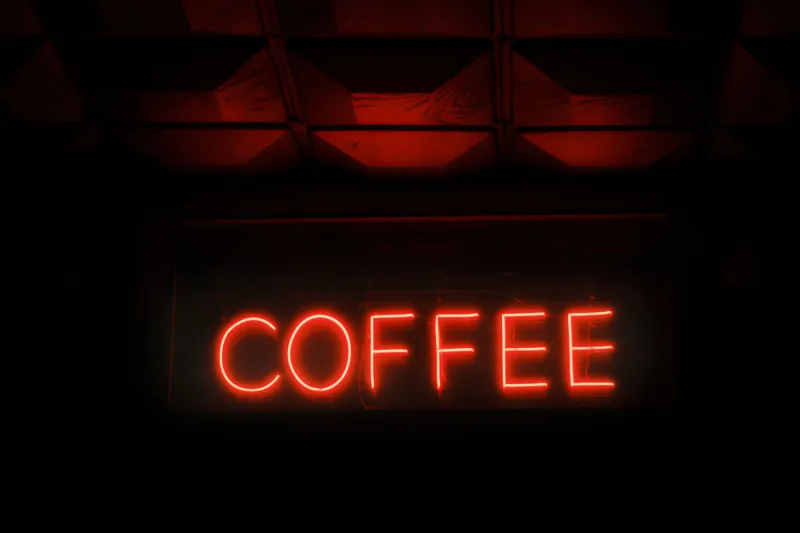
Walk into almost any independently owned coffee shop in America right now and there's a decent chance something is glowing at you from the wall. Maybe it says "But First, Coffee" in looping cursive. Maybe it's a cactus, or a lightning bolt, or a phrase so specific to the owner's personality that it could only have come from one person's brain. Whatever it is, it's probably neon — or something that looks a whole lot like it.
Neon signs have staged one of the more unexpected cultural comebacks of the last decade. What was once the exclusive domain of Las Vegas casinos, Route 66 motels, and corner liquor stores has become a legitimate art form, a home décor staple, and a surprisingly powerful vehicle for personal expression. So what's actually going on here?
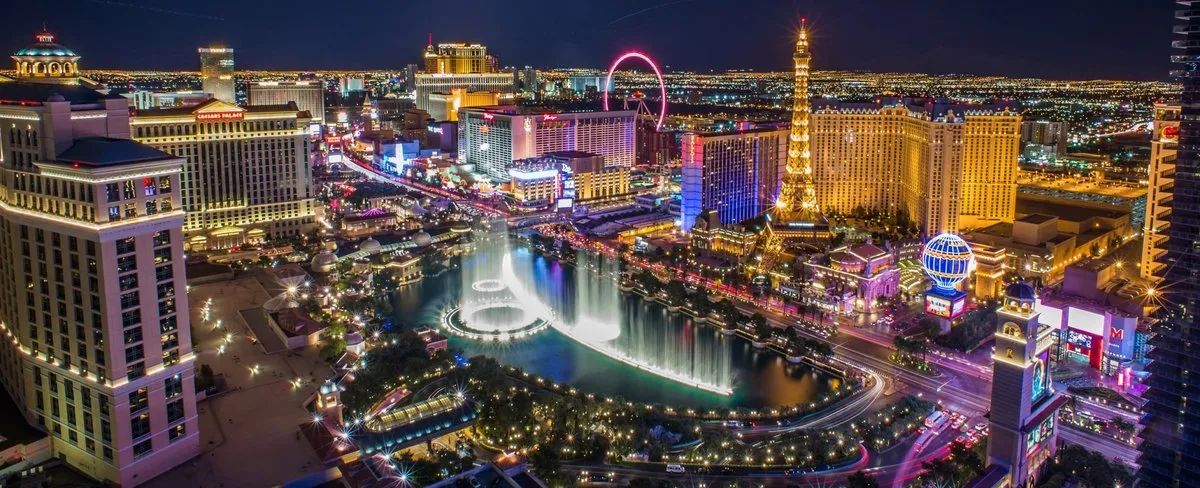 Photo: Las Vegas, via dynamic-media-cdn.tripadvisor.com
The Long, Strange History of American Glow
Neon lighting isn't new — it's been part of the American visual landscape since the 1920s, when it first arrived from France and immediately set the country's commercial strips ablaze with color. By the postwar era, neon was synonymous with American ambition: the bigger, brighter, and flashier the sign, the more successful the business behind it seemed.
But somewhere around the 1970s and '80s, neon started losing ground to cheaper, more energy-efficient alternatives. Plastic-faced fluorescent signs became the norm. Neon craftspeople — a specialized trade that requires real skill to master — watched their client base shrink. By the early 2000s, traditional neon felt genuinely endangered.
And then, somehow, it came roaring back.
Instagram Didn't Start the Fire, But It Sure Fanned It
It would be easy — and not entirely wrong — to credit social media with neon's revival. The visual logic of a glowing sign against a dark wall is practically engineered for a scroll-stopping photo. Neon is warm, human-scaled, and legible in a way that resonates deeply on a phone screen. Brands figured this out fast.
But dismissing the trend as purely Instagram bait undersells what's actually happening. "People aren't putting neon signs in their homes just to post about them," says interior designer Marcy Delacroix, who works with residential clients across the Pacific Northwest. "They want that warmth. They want something that feels alive in a room full of cold, flat surfaces. Neon does that in a way a canvas print just can't."
There's a tactile, almost emotional quality to neon light — the slight hum, the way it blooms softly at the edges, the sense that something physical is happening inside the glass tube. Even LED neon flex, the safer and more affordable alternative that dominates the DIY market, mimics that quality well enough to carry the feeling.
Nostalgia With a Modern Twist
Part of neon's appeal is undeniably nostalgic. For Americans who grew up in the '80s and '90s, neon is inseparable from a specific kind of cultural memory — the pizza parlor with the "OPEN" sign buzzing in the window, the video rental store, the diner where the booths were cracked vinyl and the coffee was always hot. That era carries a strange warmth in the collective imagination right now, perhaps because it predates the constant connectivity and ambient anxiety of modern life.
But the designers and artists working with neon today aren't just recreating the past. They're remixing it. Custom neon artists like Brooklyn-based Luz Morales — who creates one-of-a-kind pieces for clients ranging from newlyweds to restaurant owners — describe their work as translation. "Someone comes to me with a feeling," Morales explains. "A phrase their grandmother used to say, or a symbol that means something specific to their family. My job is to turn that into light. That's not nostalgia — that's storytelling."
The DIY Neon Movement and Personal Expression
One of the most interesting dimensions of the neon renaissance is how democratic it's become. A decade ago, a custom neon sign was a significant investment — the kind of thing a bar owner commissioned after a good year. Today, LED neon kits are available at accessible price points, and dozens of online platforms allow customers to design their own signs and have them shipped to their door within weeks.
This shift has turned neon into a form of personal branding that lives in physical space. Home offices are lit with motivational phrases chosen by the people who work in them. Nurseries glow with custom name signs. Wedding arches are backdropped with phrases that mean something specific to the couple. It's personalization at a scale that mass-produced décor simply can't match.
"People are tired of their spaces looking like everyone else's," says Chicago-based interior designer Theo Brant, who has incorporated custom neon into everything from studio apartments to corporate lobbies. "A neon sign is a statement. It's the one thing in a room that's completely, unmistakably yours."
What It Says About Where We Are Right Now
Pull back far enough and the neon revival starts to look like a cultural signal worth paying attention to. In an era dominated by digital screens, algorithmic content, and the creeping homogenization of online aesthetics, people are gravitating toward something physical, warm, and handmade. Traditional neon sign-bending is still a skilled craft — it takes years to master — and the artisans who practice it are increasingly celebrated rather than overlooked.
There's also something to be said about visibility. A neon sign — whether it's in a storefront window or above a home bar — is a declaration. It says: I am here, this is what I'm about, and I want you to see it. In a moment when small businesses are fighting hard for attention and individuals are searching for authentic ways to express identity, that kind of glowing declaration carries real weight.
Neon has always been American in a particular way — loud, optimistic, a little excessive, and completely sincere about all of it. Maybe that's why it keeps coming back.
The Future Is Still Glowing
Traditional neon artists and LED neon innovators are increasingly working alongside each other rather than in competition. Galleries are mounting shows dedicated to neon as fine art. Municipalities are restoring vintage signs as historic landmarks. And a whole new generation of makers is learning the craft — some through formal apprenticeships, others through YouTube tutorials and online communities.
At Illums Online, we've always believed that light is one of the most expressive tools available to artists and designers. Neon — in all its buzzing, glowing, deeply human glory — is proof of that belief in action. It's not a trend that's going away. It's a language that Americans keep finding new things to say in.
And honestly? We're here for every word of it.
Are you a neon artist, collector, or enthusiast? We'd love to feature your work. Reach out to us through the Illums Online community page.