Let It Glow: The Rise of Sky Lantern and Floating Light Festivals Across America
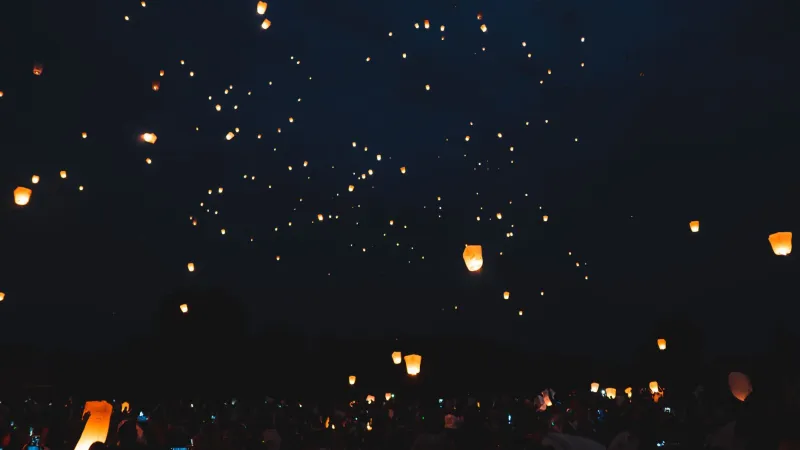
There's a moment — you've probably seen it in photos even if you haven't lived it yet — where thousands of paper lanterns lift off the ground at once and drift upward into a dark sky. The crowd goes quiet. People cry. Strangers hug. Whatever cynicism you carried in with you kind of just... floats away with the light.
That moment is happening more and more across the United States, and it's happening in places you might not expect. Sky lantern festivals and floating light events have quietly evolved from niche novelties into full-blown cultural phenomena, drawing tens of thousands of attendees and spawning a passionate community of organizers, artists, and repeat participants who plan their entire year around them. If you haven't looked into this scene yet, you're missing one of the most genuinely magical corners of American live entertainment.
Utah Started Something
If there's a ground zero for the American lantern festival boom, it's the wide-open landscapes of Utah. The state's annual sky lantern gatherings — most famously around the areas near Moab and the West Desert — helped introduce the concept to mainstream American audiences in the early 2010s, and the numbers grew fast. Events that started with a few hundred curious attendees ballooned into productions drawing upward of 40,000 people in a single night.
The appeal isn't hard to understand. Utah's vast, flat terrain and reliably clear skies create almost cinematic conditions. When the lanterns rise, there's nothing obstructing the view for miles. It's pure visual theater, and the landscape practically begs for it. Organizers like The Lights Fest, which has toured events across multiple states, credit Utah's early success with proving that Americans had a genuine appetite for participatory light experiences — not just watching, but releasing.
Not Just the Sky: Water Releases Are Having Their Own Moment
While sky lanterns tend to grab the headlines, floating light releases on rivers, lakes, and coastal waterways have developed their own devoted following — particularly in the Southeast and Pacific Northwest.
In Tennessee, Georgia, and the Carolinas, small-scale floating lantern ceremonies have become fixtures at summer festivals, spiritual gatherings, and community memorial events. The tradition draws loosely from Asian cultural practices — Thai Yi Peng, Japanese Tōrō Nagashi — but American organizers have adapted it into something that feels distinctly local, often tying releases to themes of remembrance, gratitude, or seasonal transition.
The visual effect is different from sky lanterns but no less arresting. Watching a river carry hundreds of glowing paper boats around a dark bend, their light reflecting off the water's surface, hits a completely different emotional register. It's quieter, slower, more meditative. Where sky lantern events feel like collective exhale, water releases feel more like a private conversation you're somehow having with a thousand other people at the same time.
The Eco Conversation Is Real — And Getting Better
For a while, the lantern festival scene had a legitimate sustainability problem. Traditional sky lanterns use wire frames that don't break down, and even paper lanterns landing in dry fields created wildfire risk. Environmental advocates pushed back hard, and in some states, sky lanterns remain banned outright.
But the industry has responded. The shift toward fully biodegradable materials — bamboo frames, water-soluble fuel cells, plant-based paper — has been significant. Responsible organizers now partner with environmental consultants, choose venues with natural firebreaks, and conduct post-event cleanups with volunteer crews. Several festivals have moved to water-based fuel cells that extinguish before landing, effectively eliminating fire risk.
The floating lantern side of the scene has also made strides, with dissolvable paper boats and non-toxic dyes becoming standard among reputable event producers. It's not a perfect system yet, but the trajectory is clearly in the right direction, and the community itself has largely embraced the push for cleaner practices. Attendees, especially younger ones, actively seek out festivals that can demonstrate their green credentials.
The People Who Make It Happen
Behind every lantern release is a surprisingly scrappy operation. Most American lantern festivals are run by small teams — sometimes just a handful of people — who spend months coordinating permits, sourcing materials, managing logistics, and building community around an event that, on the night itself, looks effortlessly transcendent.
Organizers like those behind the Illuminate Festival circuit or regional events such as Florida's Magical Lantern experiences describe a deeply personal connection to what they do. Many got into it after attending an event themselves and feeling something shift. "People come to us carrying things," one Southeastern event producer explained in a recent interview. "Grief, hope, a birthday, a breakup. The lantern becomes a vehicle for all of it."
That emotional dimension is something the best festivals actively cultivate. Intentional programming — guided reflection moments, music, communal counting-down before release — turns what could be a simple visual spectacle into something closer to a ritual. And Americans, it turns out, are hungry for exactly that kind of shared, meaning-making experience.
Where to Go Right Now
If you're ready to stop watching videos of other people's lantern releases and start planning your own, here's a quick lay of the land:
The Lights Fest tours multiple locations across the US throughout the year, with stops in Texas, California, the Midwest, and the South. They're well-organized, family-friendly, and use biodegradable materials. Good entry point for first-timers.
Lantern Fest events in Utah and Colorado remain some of the most visually dramatic thanks to terrain and altitude. Fall dates tend to offer the best weather and the clearest skies.
Floating lantern ceremonies in the Southeast — particularly around lake towns in Tennessee and the Gulf Coast — tend to be smaller and more intimate. Worth seeking out for a completely different energy.
Pacific Northwest water releases, often tied to local arts festivals in Oregon and Washington, have a distinctly indie, community-driven feel. These are the ones to find if you want something off the beaten path.
Check event listings carefully for sustainability certifications and venue details. The best festivals are transparent about their environmental practices and proud to show it.
Why It Works
At its core, a lantern festival is an incredibly simple thing: you hold a light, you let it go, you watch it rise. There's no complicated technology involved, no screens, no algorithm deciding what you see next. Just fire, paper, wind, and ten thousand strangers sharing the same sky.
Maybe that's exactly why it works so well right now. In a cultural moment defined by overstimulation and digital noise, releasing a handmade glowing object into the dark and watching it drift away feels almost radical in its simplicity. It's light as pure experience — not designed to sell you something or optimize your attention, just there to be beautiful and briefly, perfectly yours.
That's the thing about these festivals that no photo quite captures: it's not really about the spectacle above you. It's about the moment you open your hands.