Healing in a New Light: How American Hospitals Are Redesigning Rooms to Help Patients Recover
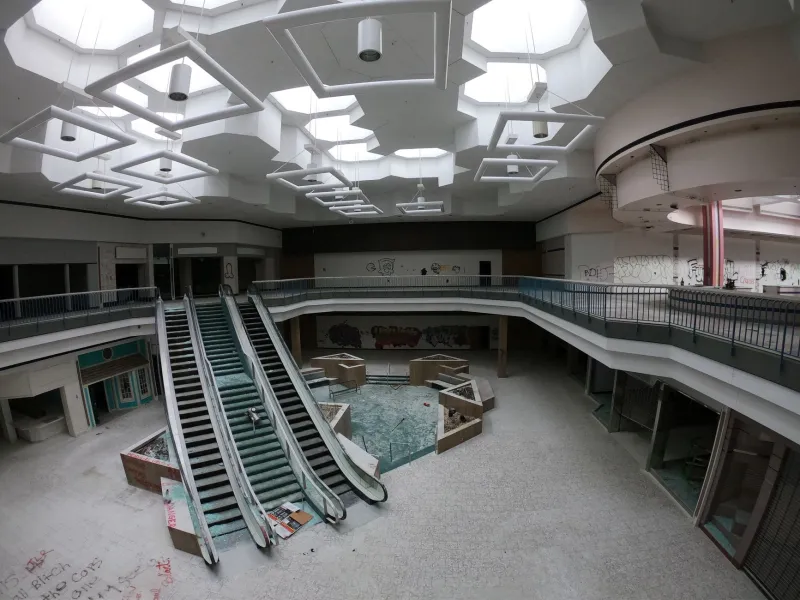
Walk into almost any hospital in America built before 2010 and you'll feel it before you can name it. That flat, relentless overhead brightness. The kind of light that doesn't care what time it is, doesn't care how you feel, doesn't care that your body is trying to figure out whether it's 3 PM or 3 AM. It just hums. It just glares. And for decades, that was considered good enough—sterile, visible, functional.
But something is shifting. Quietly, and with increasing momentum, hospitals from Boston to Phoenix are treating light itself as medicine.
The Body Has Its Own Clock—And Hospitals Kept Ignoring It
The science here isn't new, but its application in healthcare settings is finally catching up. Human beings run on a circadian rhythm—a roughly 24-hour internal cycle that governs sleep, hormone release, metabolism, immune response, and mood. Light is the single most powerful external cue that sets and resets that clock. Blue-spectrum light in the morning signals wakefulness and cortisol production. Warm amber tones in the evening trigger melatonin and wind the body down toward sleep.
For patients recovering from surgery, managing chronic illness, or spending days in an ICU, that rhythm getting disrupted isn't just uncomfortable—it can actively slow healing. Studies from institutions including Johns Hopkins and the Cleveland Clinic have linked circadian disruption in hospital settings to longer recovery times, increased rates of delirium in ICU patients, higher pain sensitivity, and even elevated rates of hospital-acquired infection. The body, when it can't tell day from night, doesn't fully commit to repair mode.
That's the gap that therapeutic lighting design is stepping in to fill.
What Circadian Lighting Actually Looks Like
Think of it less like flipping a switch and more like conducting an orchestra. Modern therapeutic lighting systems—built around tunable LED technology—shift color temperature and intensity throughout the day in sync with natural daylight cycles. Morning light in a patient room might run cool and bright, somewhere around 5000–6500 Kelvin, mimicking the energizing quality of a clear morning sky. By late afternoon, the system eases toward warmer tones, settling into the 2700–3000K range that tells your body the day is winding down.
At Advocate Aurora Health's facilities in Illinois and Wisconsin, lighting designers worked alongside clinical staff to install dynamic systems across multiple patient floors. Nursing staff reported that patients were sleeping better during night hours and showing more alertness during daytime physical therapy—two things that directly affect discharge timelines.
Stanford Health Care's adult inpatient tower, which opened in 2019, went further, integrating tunable lighting into virtually every patient-facing space, including hallways calibrated to feel less disorienting during middle-of-the-night nursing checks. The design team specifically wanted to avoid blasting patients with alerting light at 2 AM just because a nurse needed to check vitals.
Color Psychology in the Ward
Beyond circadian tuning, hospitals are getting serious about color—not just the color of walls, but the color of the light itself and how it interacts with the human nervous system.
Soft blues and greens have long been associated with reduced anxiety and lower perceived pain levels. Some pediatric units have gone all-in on this, using programmable color-wash systems in waiting areas and procedure rooms to give children (and their parents) a sense of environmental control. At Children's Hospital Colorado, certain exam rooms allow young patients to choose the ambient color of their room through a simple tablet interface—a small act of agency that clinicians say meaningfully reduces pre-procedure distress.
Red-spectrum lighting, on the other hand, is being used strategically in some neonatal intensive care units during nighttime hours, because red wavelengths have minimal impact on circadian signaling while still providing enough visibility for staff to monitor fragile infants without disrupting their developmental sleep cycles.
The Staff Factor
It's not just patients who benefit. Nurses, surgeons, and support staff working 12-hour shifts under static artificial lighting face their own circadian disruption—and the consequences ripple outward into patient safety. Fatigue-related medical errors are a well-documented problem in American healthcare, and lighting is a lever that's been almost entirely ignored in that conversation until recently.
Some hospital systems are now designing staff break rooms and nursing stations with lighting that actively supports alertness during night shifts—using short, targeted pulses of high-intensity blue-white light during low-point hours (typically 3–5 AM) to counteract the circadian trough that makes errors more likely. It's the same principle as a well-timed espresso, but delivered through the eyes rather than a coffee cup.
The Art Side of the Equation
Here's where it gets genuinely interesting from a design perspective: the most forward-thinking hospital lighting projects aren't just clinical interventions—they're honest-to-goodness light art installations.
At UCSF Medical Center's Mission Bay campus, artist James Turrell—yes, the James Turrell, the one whose immersive light environments command serious museum real estate—contributed a permanent installation to the children's hospital. A large skyspace-style aperture floods a family waiting area with natural light filtered through a calibrated ceiling opening, shifting in quality with the actual sky outside. It's meditative, disorienting in the best possible way, and deeply human. Parents sitting with sick kids have described it as the one place in the building where they feel like they can breathe.
Smaller facilities are finding their own versions of this. Regional hospitals in the Midwest are commissioning local light artists to create corridor installations that double as wayfinding—glowing sculptural forms in warm amber and rose that mark the path to the maternity ward, or shifting gradients of blue-to-gold that guide patients through oncology suites in a way that feels less like a march to a verdict and more like moving through something beautiful.
The Prescription Isn't Filled Yet
For all the progress, the field is still young and adoption is uneven. Retrofitting an older hospital with dynamic lighting systems is expensive—tunable LED infrastructure across a large facility can run into the millions—and not every health system has the capital or the institutional will to prioritize it. Reimbursement structures in American healthcare don't reward investments in environmental design the way they reward new equipment or procedures, which means the business case often has to be made through softer metrics: patient satisfaction scores, reduced length of stay, staff retention.
But those metrics are starting to move. And as the evidence base grows and the technology gets cheaper, the conversation is shifting from "is this worth it" to "how do we do this right."
Light has always been part of healing—think of every sun-drenched convalescent porch in a century-old sanatorium photo. What's new is the precision, the intentionality, and the growing recognition that illumination isn't just a backdrop to medical care. In the best hospitals being built and renovated across America right now, it's part of the treatment itself.